

How to Create an Eco-Friendly Kitchen in Australia

Optimizing Kitchen Layout
Transforming your kitchen into an eco-friendly haven starts with a thoughtful layout that maximizes both functionality and sustainability. Efficient space utilization is key. Begin by strategically placing frequently used appliances, such as dishwashers and a Westinghouse fridge, to streamline workflow and save energy. A well-organised kitchen reduces the need for excess lighting and heating, ultimately decreasing your carbon footprint.
Efficient Space Utilization
Consider integrating a zip tap within your bench space, which offers quick access to filtered boiling, chilled, and sparkling water without the need for multiple kitchen gadgets. This not only saves counter space but also reduces the environmental impact associated with bottled water. Efficient planning allows for a kitchen that meets both environmental and aesthetic standards, which is something I've seen celebrated at events like the Melbourne Sustainability Festival.
Sustainable Material Choices
Material choices play a significant role in eco-friendly kitchen design. Opt for sustainable and renewable options such as bamboo countertops or reclaimed wood, which ensure minimal environmental impact. These materials also provide a unique aesthetic that complements both modern and rustic kitchen styles.
Natural Lighting Incorporation
Emphasise the use of natural lighting to cut down on electricity consumption. Installing large windows or skylights maximizes daylight, creating a warm and inviting atmosphere. This can be complemented by strategically placed mirrors to reflect light and further illuminate your space, reducing the need for artificial lighting during the day.
By focusing on an optimised layout with sustainable materials and natural lighting, your kitchen can become both a model of environmental stewardship and a functional, enjoyable space.
Choosing Eco-Friendly Appliances
Advocating for eco-friendly living starts with choosing the right kitchen appliances. Energy-efficient devices can drastically reduce your carbon footprint and make a significant impact on the environment. Let's focus on two essential kitchen fixtures: fridge and microwaves.
Refrigerators are primary energy consumers in any household. Opting for models certified with high energy efficiency ratings not only helps the planet but also reduces your electricity bills. Many modern fridges offer smart features like temperature control and energy-saving modes. When selecting a refrigerator, consider those with inverter technology to maximize energy savings. Such options are often highlighted at eco-centric events like the Melbourne Sustainability Festival, showcasing the latest advancements in sustainable home tech.
Moving on to microwaves, these appliances can also contribute to a green kitchen. Look for microwaves with eco-friendly labels, emphasizing lower energy consumption and faster cooking times. Features like programmable settings and energy-efficient standby modes ensure minimal energy usage when not in active operation. Consider integrating microwaves that utilize inverter technology for more efficient heating and cooking.
When selecting these appliances, ensure they align with your sustainability goals. Beyond the environmental benefits, energy-efficient fridges and microwaves offer practical advantages like cost savings and enhanced functionality. Engage with sustainability forums and workshops, such as those at the Melbourne Convention and Exhibition Centre, for deeper insights and recommendations on eco-friendly appliances.
Sustainable Kitchen Practices
Waste Management Solutions
Embracing sustainable waste management in the kitchen is vital for reducing household carbon footprints. One efficient method is to set up a system to separate recyclables from general waste, ensuring that materials like paper, plastics, and metals get a second life. Introducing an "organic waste only" bin for food scraps can significantly divert waste from landfill while preparing for composting. Additionally, using modern appliances like air fryers promotes healthy cooking and reduces the need for excess oil, further minimising waste.
Composting for Beginners
Starting a composting routine is an excellent way to recycle organic waste and create nutrient-rich soil for gardening. Choose a suitable composting bin — many eco-conscious options are available that fit various spaces. Layer ingredients like vegetable peels, coffee grounds, and eggshells while avoiding meat or dairy products that can attract pests. The enriching quality of homemade compost supports a sustainable garden, ingraining the principles of self-sufficiency and earth-friendly living.
Eco-Friendly Cleaning Methods
Adopting eco-friendly cleaning methods can revolutionise your kitchen environment. Replace chemical-laden cleaners with natural options like vinegar, baking soda, and lemon, effective on various surfaces while being kind to the planet. Another pragmatic step is to switch to reusable cloths over disposable ones, reducing daily waste. Similarly, energy-efficient devices, such as a smart tv with low power settings, can enhance sustainability without compromising on lifestyle quality.
In Melbourne, sustainability initiatives like those highlighted at the Melbourne Sustainability Festival inspire innovative eco-friendly choices. Embracing these methods aligns households with nature's rhythm, highlighting the harmonious blend of functionality and environmental responsibility.
Integrating Renewable Energy
Solar Water Heating Systems
As a seasoned environmental consultant, I have witnessed the transformative power of integrating renewable energy sources into daily living. Solar water heating systems represent an excellent opportunity to harness the abundant Australian sunlight. These systems utilize solar panels that absorb sunlight, heating water directly or using a fluid that carries heat into a storage tank. Investing in such systems not only decreases reliance on conventional energy sources but also cuts down on carbon emissions, offering long-term savings and environmental benefits.
Energy-Saving Lighting Solutions
Implementing energy-saving lighting solutions in your home is one of the simplest yet effective ways to reduce energy consumption. LED lights, for example, use up to 75% less energy than traditional incandescent bulbs and have a significantly longer lifespan. The incorporation of smart lighting systems can further optimise usage by adapting to natural light levels and adjusting brightness accordingly, enhancing both energy efficiency and ambiance.
Renewable Power Sources
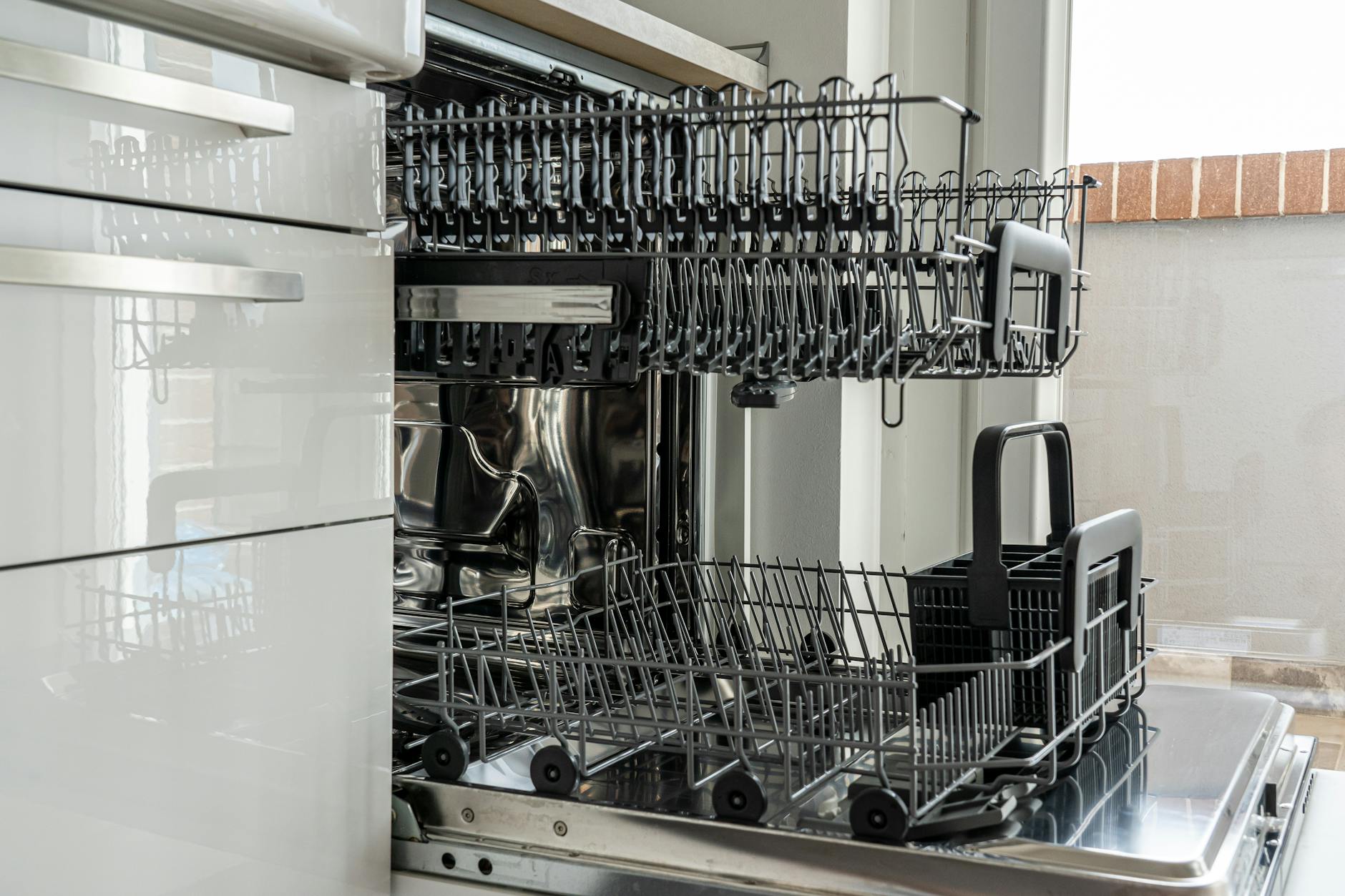
The notion of a fully autonomous power setup, drawing on renewable resources like solar or wind, is becoming increasingly viable. Equipped with advanced storage solutions, these systems ensure a constant energy supply, even during less sunny conditions. Transitioning to renewable power is not just about adopting the latest technology; it's about safeguarding future ecological balance. High-performance, eco-conscious products like modern coffee machines and a miele dishwasher complement these renewable setups beautifully, ensuring that each appliance contributes positively to your overall sustainability efforts.
Common Pitfalls to Avoid in Sustainable Living
Ignoring Product Certifications
In our quest to fashion sustainable sanctuaries, it’s all too tempting to breeze past those tiny labels and certifications on products. However, these eco-certifications are your guiding stars. Think of them as your sustainable kitchen compass, directing you to genuine energy-saving appliances. Look for government-backed labels such as the Australian Energy Rating Label, which can aid in identifying truly eco-friendly products. By bypassing these certifications, you might inadvertently support unsustainable manufacturing practices that counteract your environmental efforts.
Underestimating Appliance Efficiency
Melbourne mates, don't take appliance efficiency claims at face value! In this green journey, facts and figures are your allies. Always dig deeper into the specs—whether it’s a water-saving dishwashers best suited for your eco-conscious kitchen or a refrigerator that's both efficient and multifunctional. Pay attention to the appliance’s lifecycle energy use rather than just initial costs. Properly interpreting these performances ensures you’re genuinely minimizing your home’s carbon footprint rather than being swayed by initial “eco-friendly” buzzwords.
Falling for Greenwashing Tactics
Greenwashing, or the deceptive practice of presenting products as more eco-friendly than they are, is a pitfall that plagues us all. From fluffy environmental claims without substance to clever labels that aren’t officially recognized, it’s rampant in today’s market. Stay vigilant by cross-referencing claims with those verified certifications and educate yourself through resources and workshops at venues like the Melbourne Convention and Exhibition Centre. Trust your instincts, and be ready to delve beneath the surface.
By avoiding these common mistakes, you arm yourself with knowledge to make choices that are as authentic and impactful as those in our green corner of the world. Keep looking to local pioneers who embody the ‘no worries’ attitude in their sustainable practices, offering inspiration and a standard to follow.